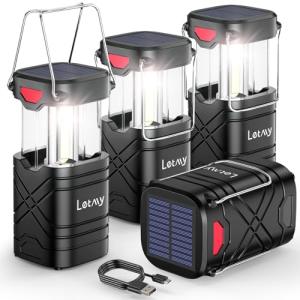
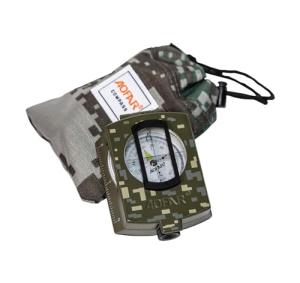
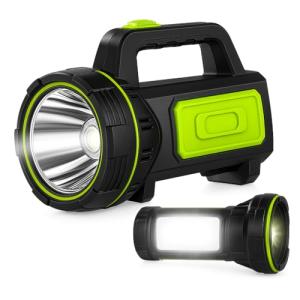
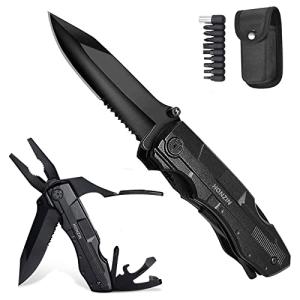
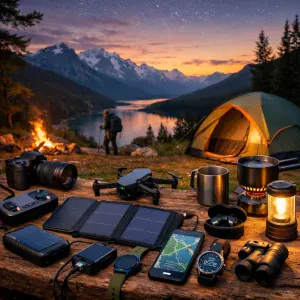
Before you dive into choosing camping tech gear, it’s super important to figure out your power needs. Knowing how much juice you’ll need can make a big difference in your setup and keep you from running into problems later. Are you just charging your phone, or do you want to power multiple devices at once? Let’s break it down.
First, think about what devices you plan to take with you. Common items might include:
Next, check how much power each device needs. Most will have a wattage rating, which tells you how much power they consume. You can usually find this info on the device itself or in the manual. Add up those numbers to get a clearer picture of your total power requirements.
Once you have an idea of your total wattage, you can decide what kind of power source to bring along. If you’re just powering a few small things, a compact solar panel kit might be just fine. But if you have a lot of gadgets or larger appliances, consider a generator or a larger solar setup to keep everything running smoothly.
Choose Lightweight and Compact Options
When you're out camping, every ounce counts. That's why choosing lightweight and compact gear is always a smart move. You want your tech to serve you without weighing you down or taking up precious space. Imagine fitting everything into your backpack without feeling like you’re lugging around a heavy load!
Think about portable power sources like compact solar chargers or small power banks. They’re easy to pack and can keep your devices running without hassle. No one wants to deal with dead gadgets while trying to enjoy nature! A lightweight portable solar panel can really make a difference, providing power right when you need it.
Also, look for gadgets that double as something else. Multi-functional gear, like a flashlight that also charges your phone, saves space and weight in your pack. You'll get the benefits of various tools without carrying a ton of extra gear. It feels great to travel light without leaving essential gear behind.
Don’t forget about tents and sleeping bags. Many brands now offer ultra-light versions that are easy to carry and set up. The right compact gear can transform your camping experience from burdensome to enjoyable. You’ll be able to hike further, explore more, and just enjoy the great outdoors without the extra weight.
Look for Durability and Weather Resistance
Check materials and construction. Look for gadgets built with high-quality, rugged materials, like reinforced plastics or aluminum. If you see terms like “shockproof” or “water-resistant,” that’s a good sign. It means the gear can withstand a drop or a little rain without giving up the ghost.
Also, consider battery life. Camping usually means being away from electricity for a while. Choose devices with long battery life or ones that can charge with solar panels. A reliable power source helps keep your devices running longer, whether it’s a flashlight, a GPS, or a portable speaker.
Lastly, don’t forget about portability. Whether it’s a solar charger or a small speaker, lightweight and compact gear makes a big difference. You want items that are easy to pack and won’t weigh you down as you hike to your campsite. Look for sleek designs that you can easily slip into your backpack.
Prioritize User-Friendly Features
When you're out camping, the last thing you want is complicated tech gear that gives you a headache. You want tools that work seamlessly with your camping experience. Prioritize gear with user-friendly features. This means looking for items that are easy to set up and operate, even if you’re not the most tech-savvy person.
Consider solar chargers with straightforward interfaces. Look for models that just plug in and go, without needing a degree in engineering to figure out. You want something that charges your devices quickly while you sit back, relax, and enjoy the great outdoors.
Another feature to check out is battery life. A good camping gadget should hold a charge long enough to last your entire trip. Go for rechargeable options that provide reliable performance, so you’re never left in the dark. Also, lightweight designs make it easy to carry without weighing down your pack.
Lastly, make sure to pick gear that's weather-resistant. Camping often means dealing with rain or unexpected weather changes. Find tech that's built tough and can handle a little roughing up. A sturdy design ensures your gear lasts through your adventures, keeping you connected without interruption.